Early Recorded Jazz
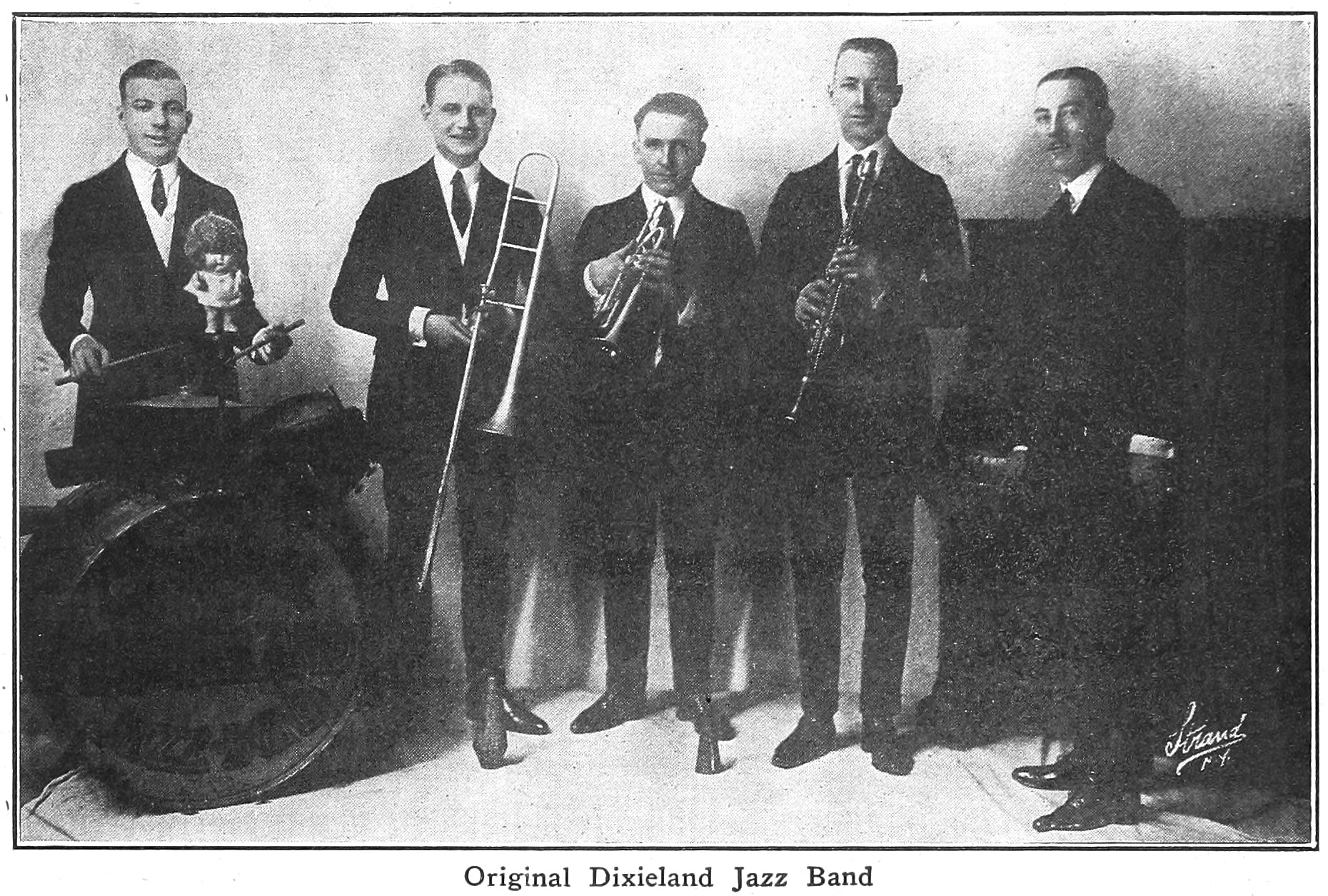
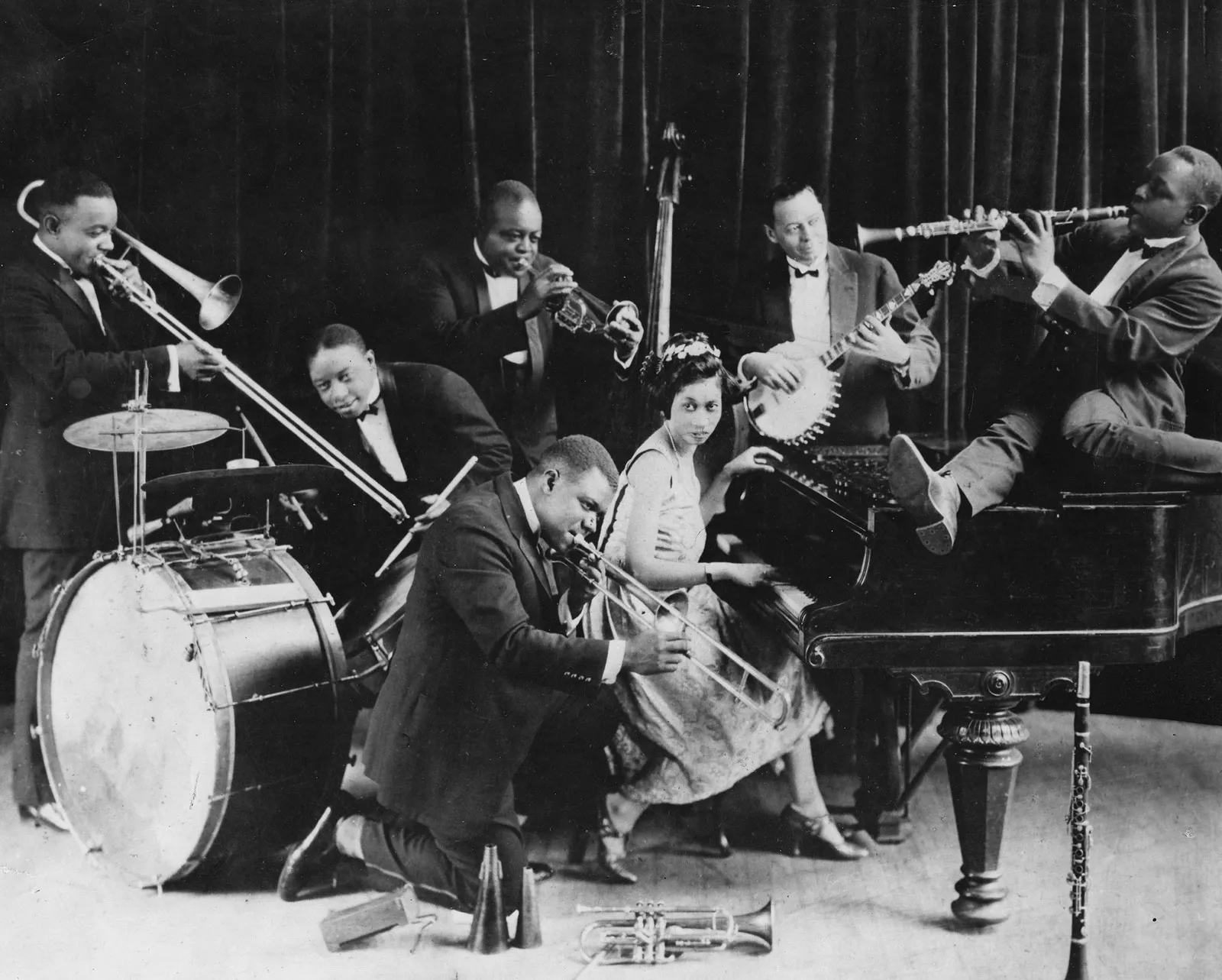
New Orleans-style jazz reaches records in 1917; polyphonic ensemble playing spreads north to Chicago.

The Sound
- Polyphony — trumpet, clarinet, and trombone in independent lines
- "Collective improvisation" (how improvised is contested)
- Strong blues influence — blue notes, blues form
- Multi-strain form inherited from ragtime and marches
- Syncopation and a strong rhythmic pulse
Key Moments
- 1917 — Original Dixieland Jazz Band makes the first jazz recordings
- Recordings, not sheet music, become jazz's primary mode of spread
- "Race records" — segregated label series marketed to Black audiences
- Musicians move from New Orleans to Chicago — cross-racial contact within segregation
Key Figures
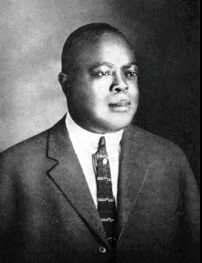
- Louis Armstrong — second cornet with King Oliver; jazz's first great soloist
Listen
- "Tiger Rag" — Original Dixieland Jazz Band 1917
- "Dipper Mouth Blues" — King Oliver's Creole Jazz Band 1923
The Jazz Age
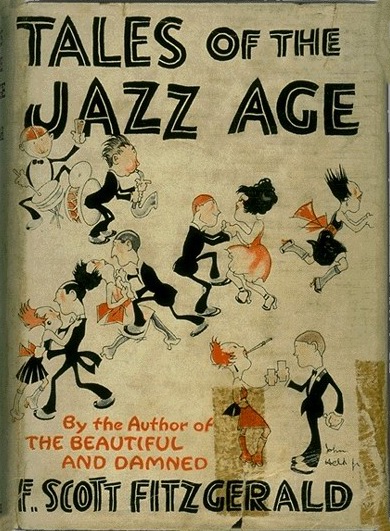
Jazz disseminates nationally and to Europe through recordings, sheet music, and touring ensembles, generating both popularity and moral controversy.

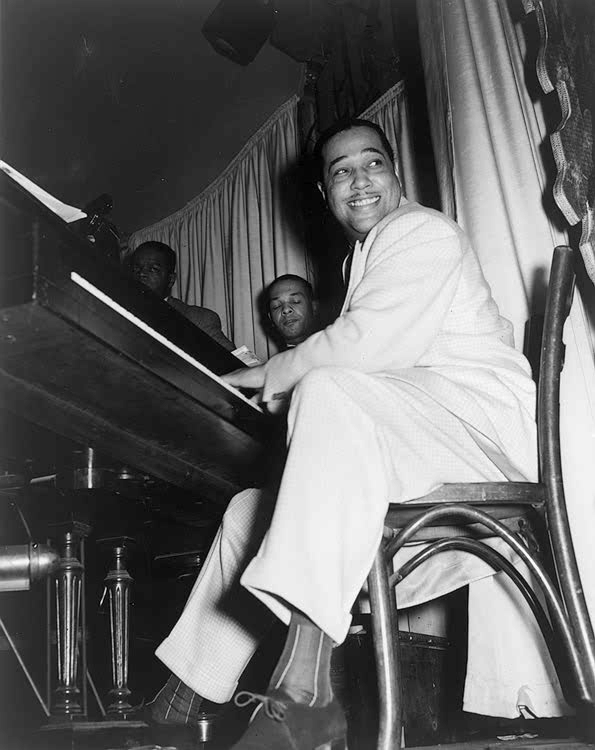

The Sound & Scene
- Jazz spreads via recordings, sheet music, and traveling ensembles
- Larger dance orchestras take shape
- Associated with race and class mixing in clubs and dance halls
- Harlem's Cotton Club becomes a showcase — Ellington in residence, 1927–31
Key Moments
- 1921 — Anne Shaw Faulkner asks in Ladies Home Journal: "Does Jazz Put the Sin in Syncopation?" — moral panic over race, class, and gender
- 1927 — Ellington's Cotton Club residency begins
- Jazz reaches Europe and becomes an international symbol of modernity
Key Figures
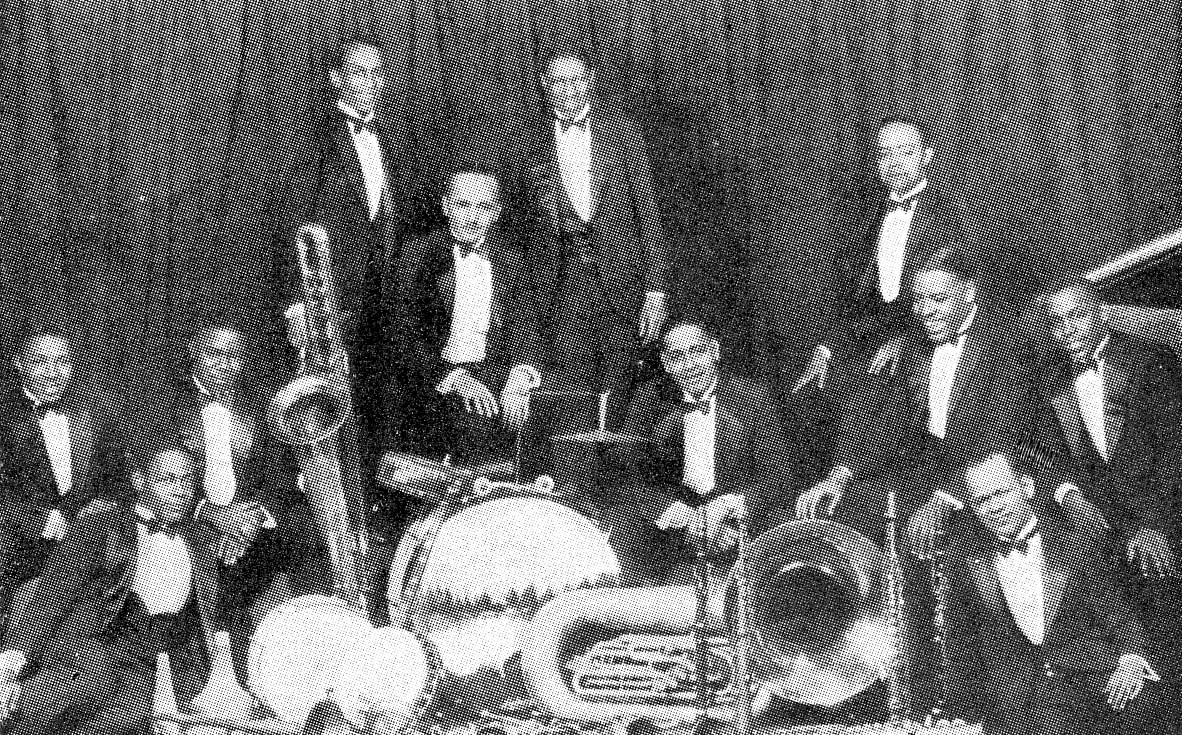
- Jelly Roll Morton — composer-arranger of standards like "King Porter Stomp" and "Tiger Rag"
Listen
- "Black and Tan Fantasy" — Duke Ellington 1927 · blues progression, spiritual melody, call-and-response
The Swing Era
Big bands dominate American popular music, organized around social dancing and radio broadcast.
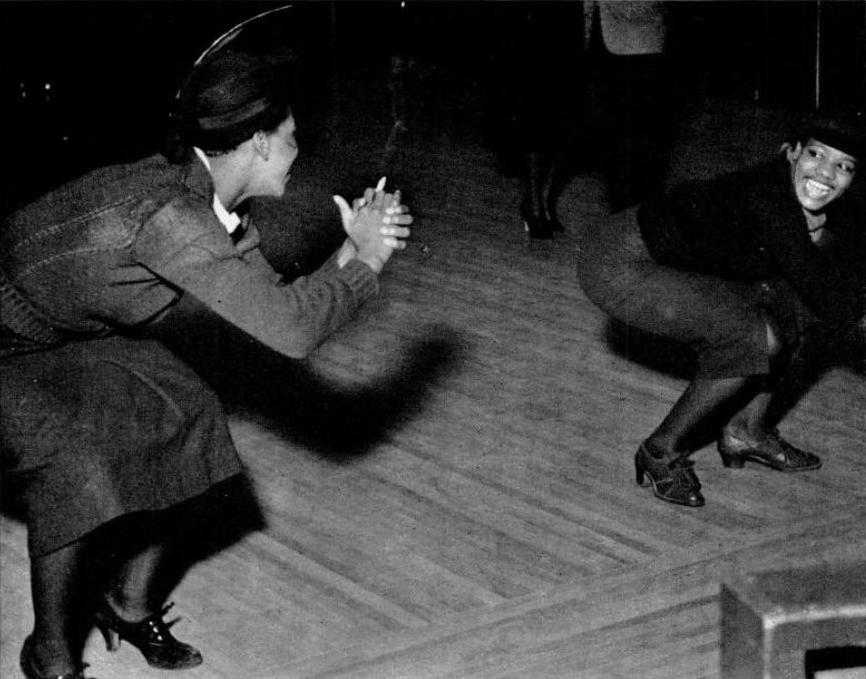

The Sound
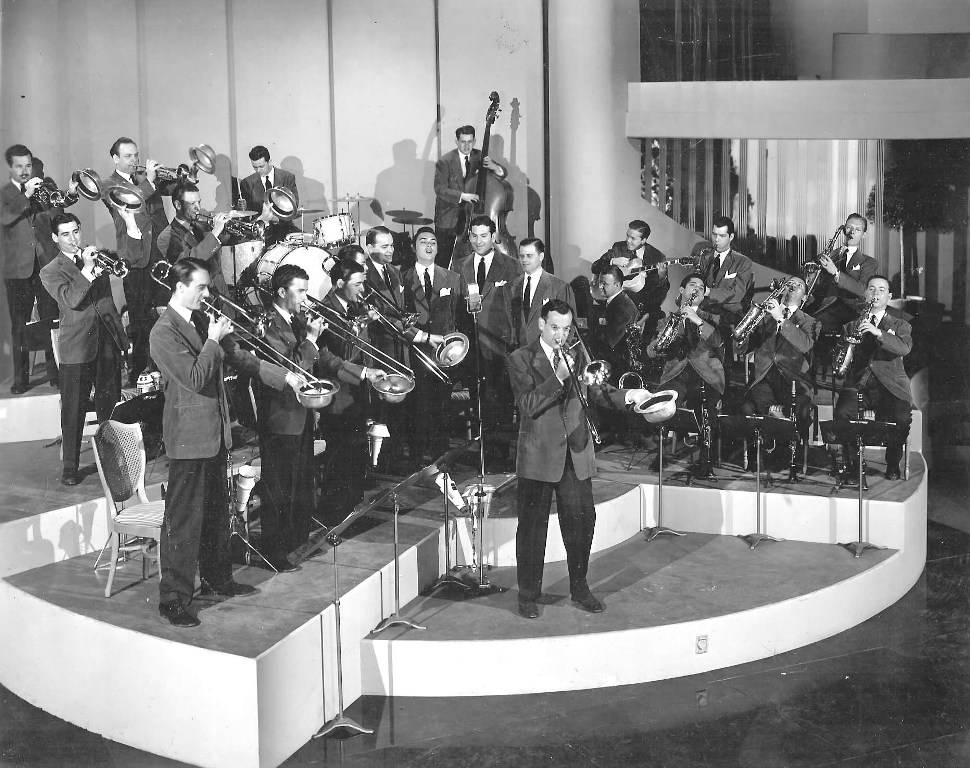
- Big bands: 3–5 trumpets, saxophones, trombones + piano, bass, drums, guitar
- Call-and-response between reed and brass sections
- Kansas City swing — blues-based, riff-driven, relaxed groove (Basie)
- Arranged swing — polished, commercial, tightly scored (Miller)
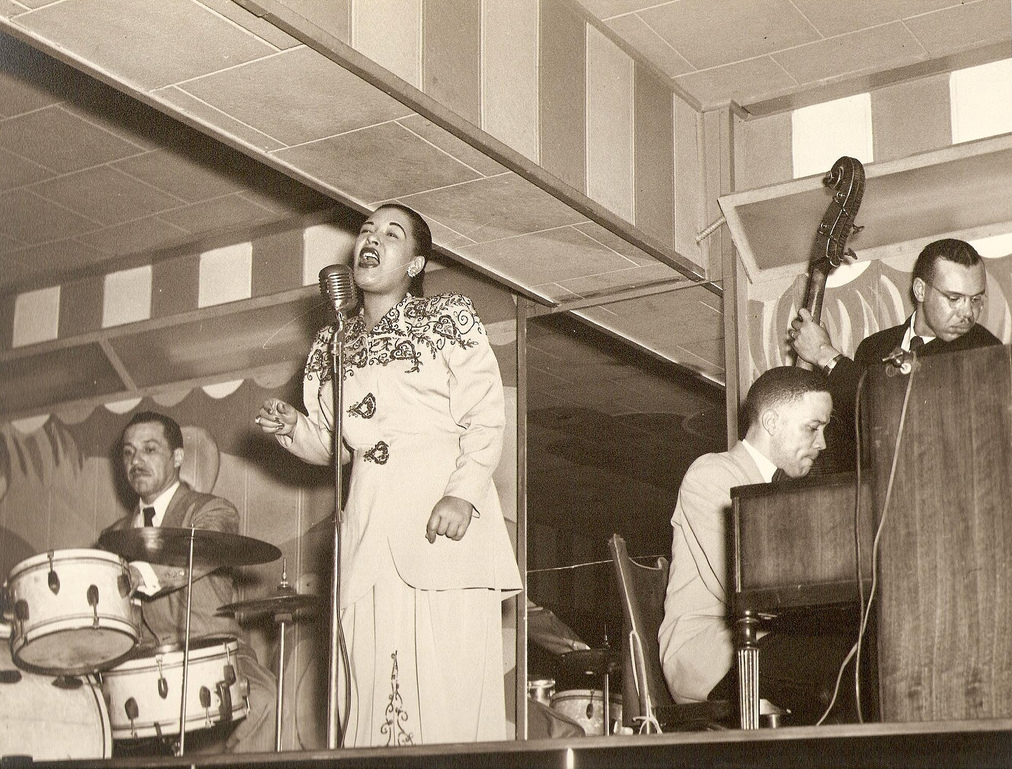
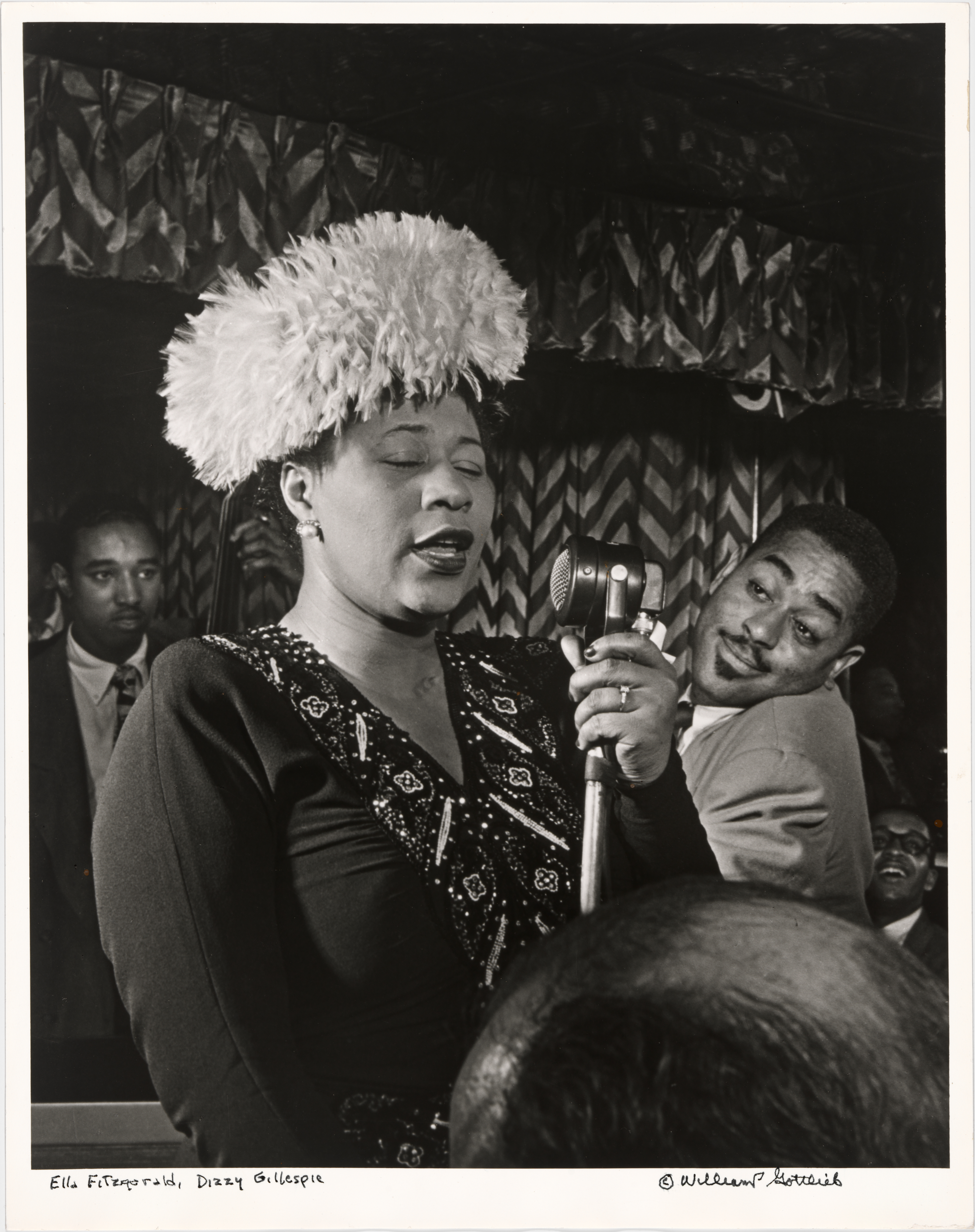
- Vocal stars: Holiday's behind-the-beat phrasing, Fitzgerald's scat singing
Key Moments
- Radio broadcasts carry big bands into homes nationwide
- Swing becomes "domesticated" — the moral panic of the 1920s fades
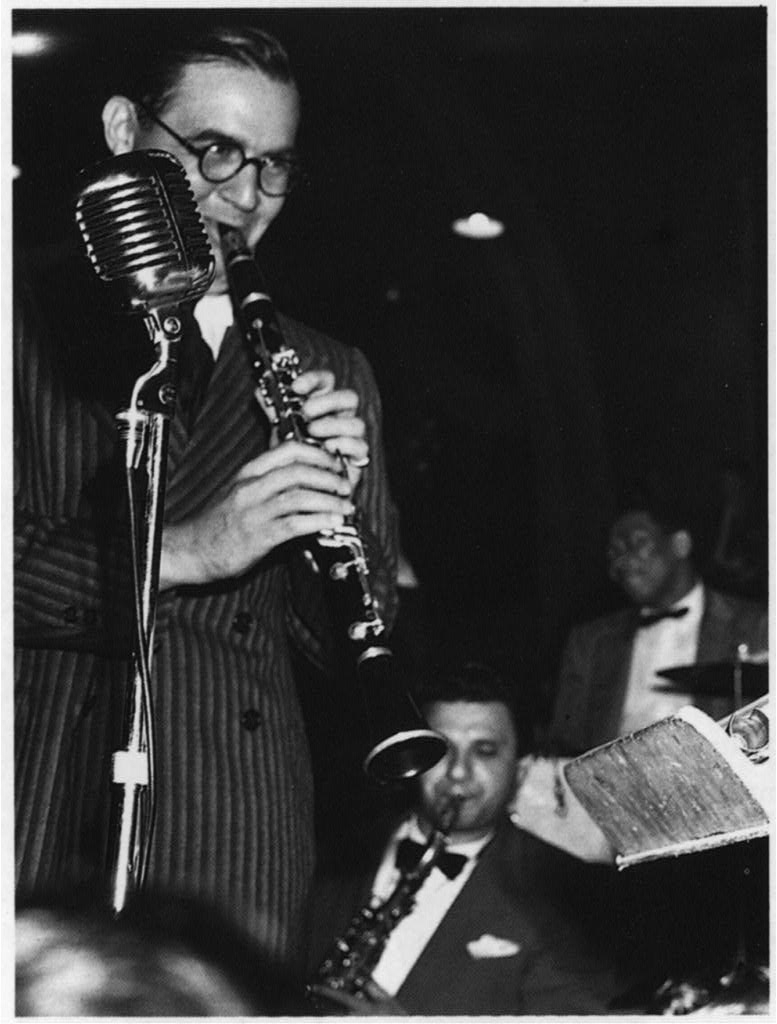
- Benny Goodman's integrated small groups — with guitarist Charlie Christian — challenge the color line
- Ballrooms like Harlem's Savoy become centers of social dance
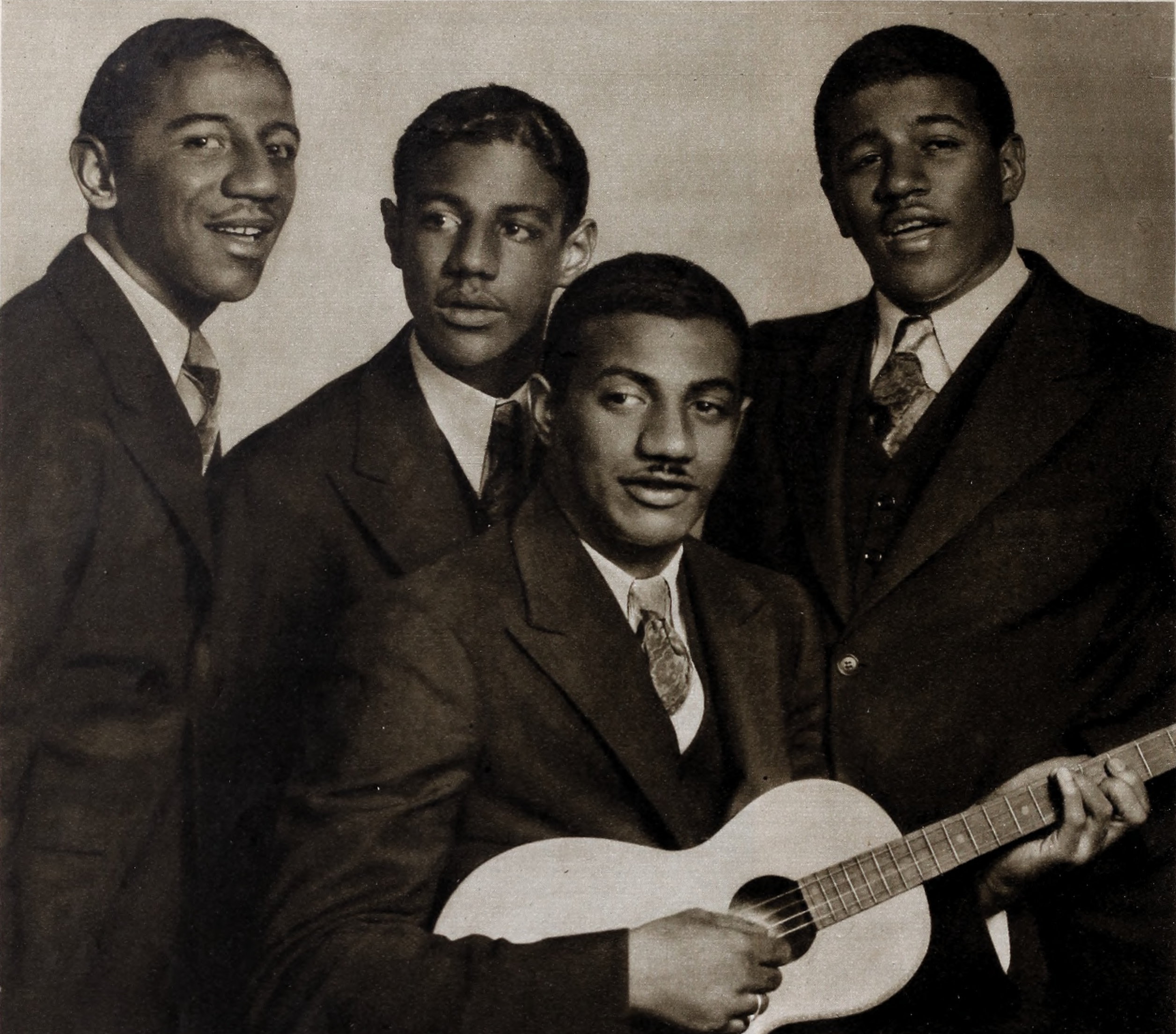
Key Figures
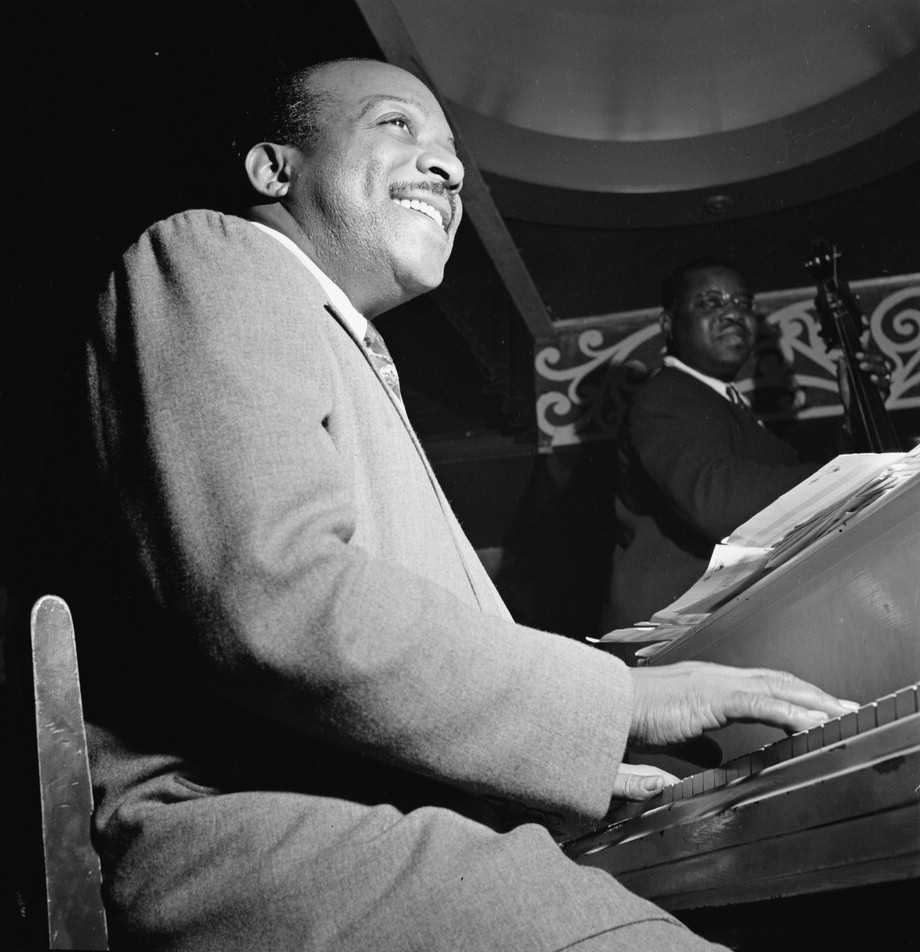
Listen
- "One O'Clock Jump" — Count Basie 1937 · riff-driven Kansas City style
- "In the Mood" — Glenn Miller 1939 · reeds vs. brass, arranged and commercial
- "God Bless the Child" — Billie Holiday 1941 · vocal phrasing as improvisation
- "Oh, Lady Be Good!" — Ella Fitzgerald 1947 · scat singing
Bebop
Small combos redefine jazz as a listener's music: fast tempos, dissonance, and virtuosic improvisation.


The Sound
- Fast tempos and irregular phrasing
- Dissonance — tritones, chromatically altered notes
- Short notated "heads," then extended virtuosic improvisation
- Sparse, punctuating piano; small combos replace big bands
- Music to listen to, not to dance to
Key Moments
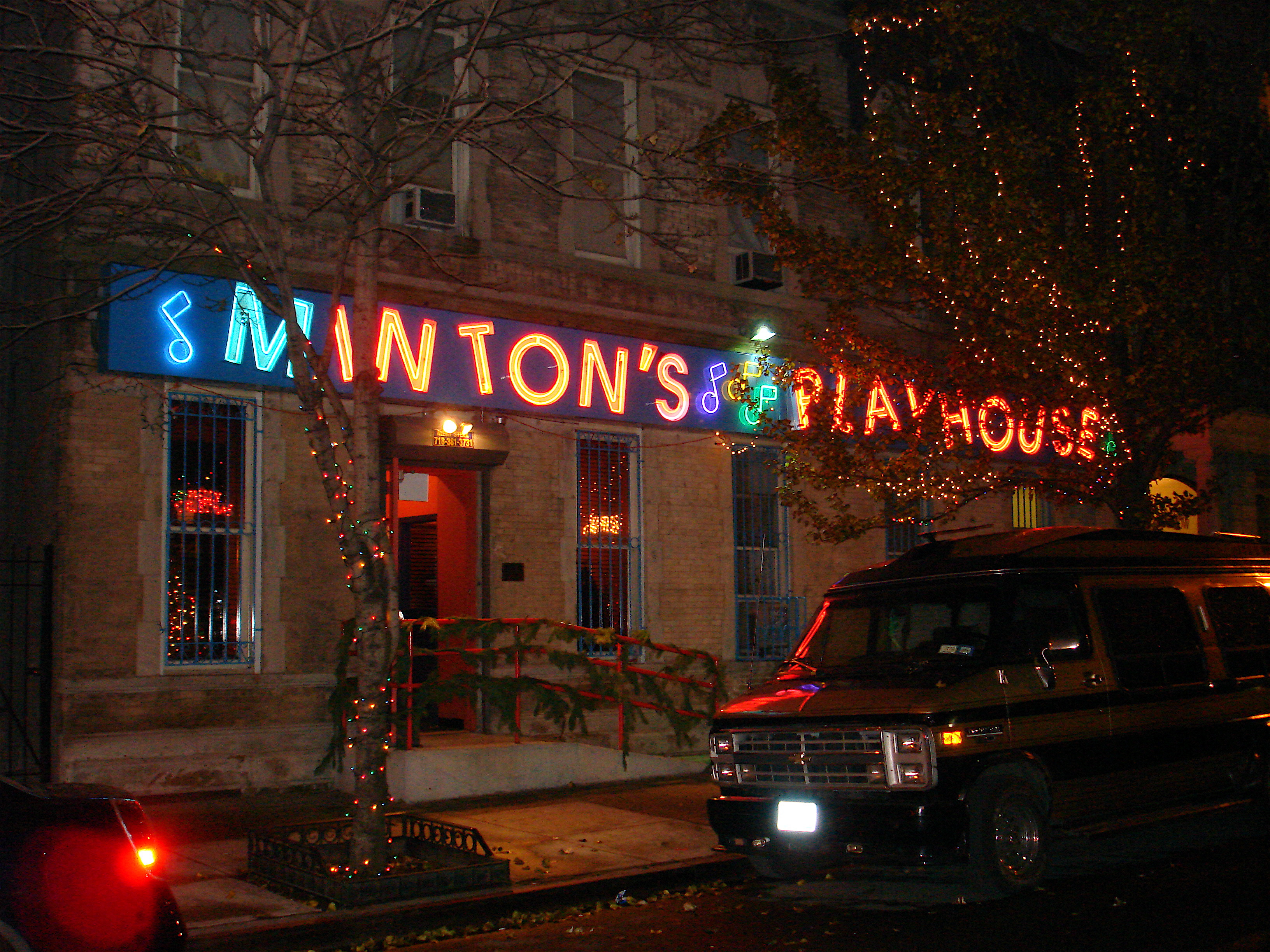
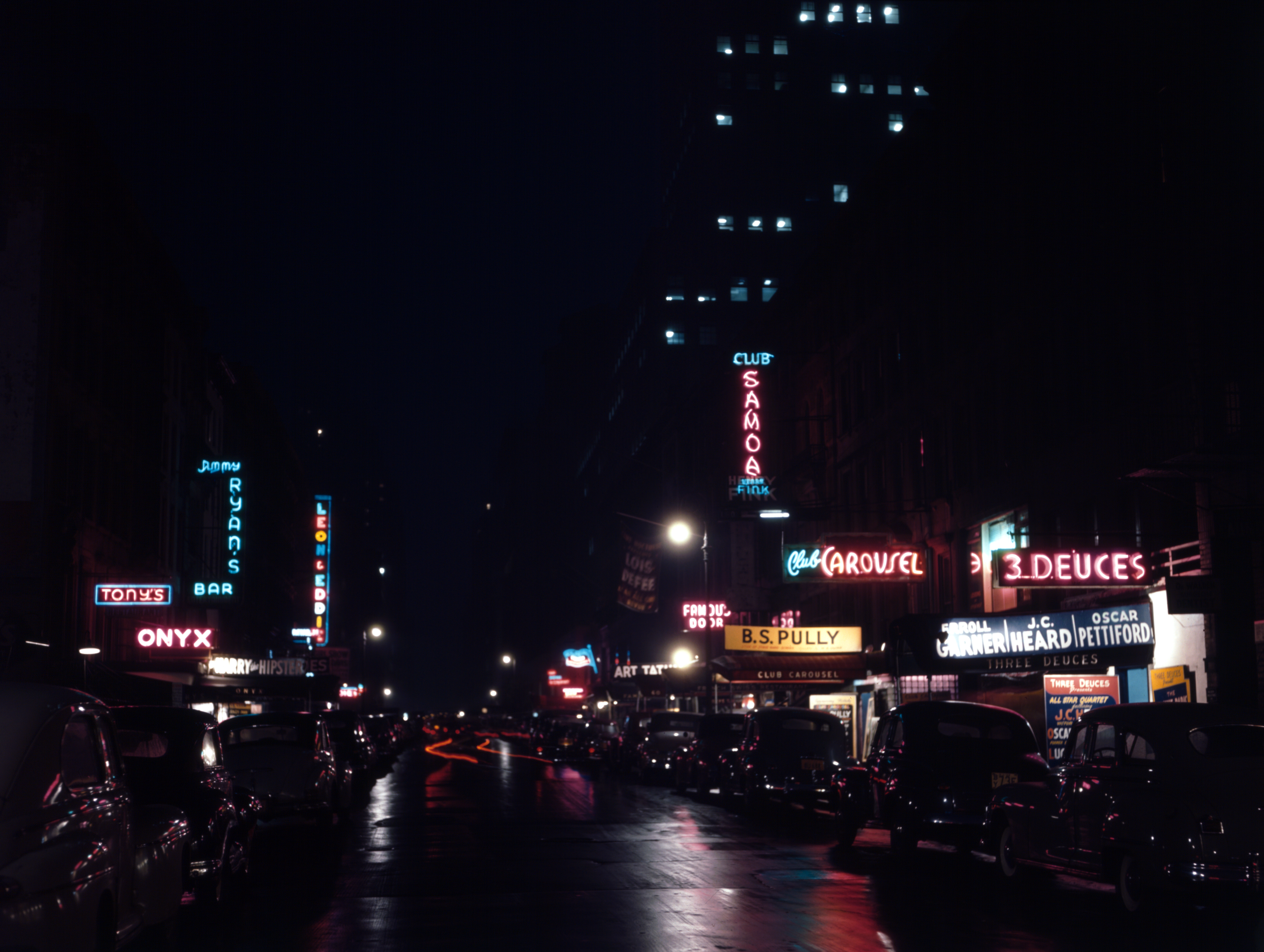
- After-hours sessions at Minton's Playhouse and clubs on 52nd Street
- WWII recording ban limits bebop's early documentation
- A reaction to swing's commercialization — and an assertion of post-WWII Black identity (Amiri Baraka)
- Debated: radical break or incremental advance?
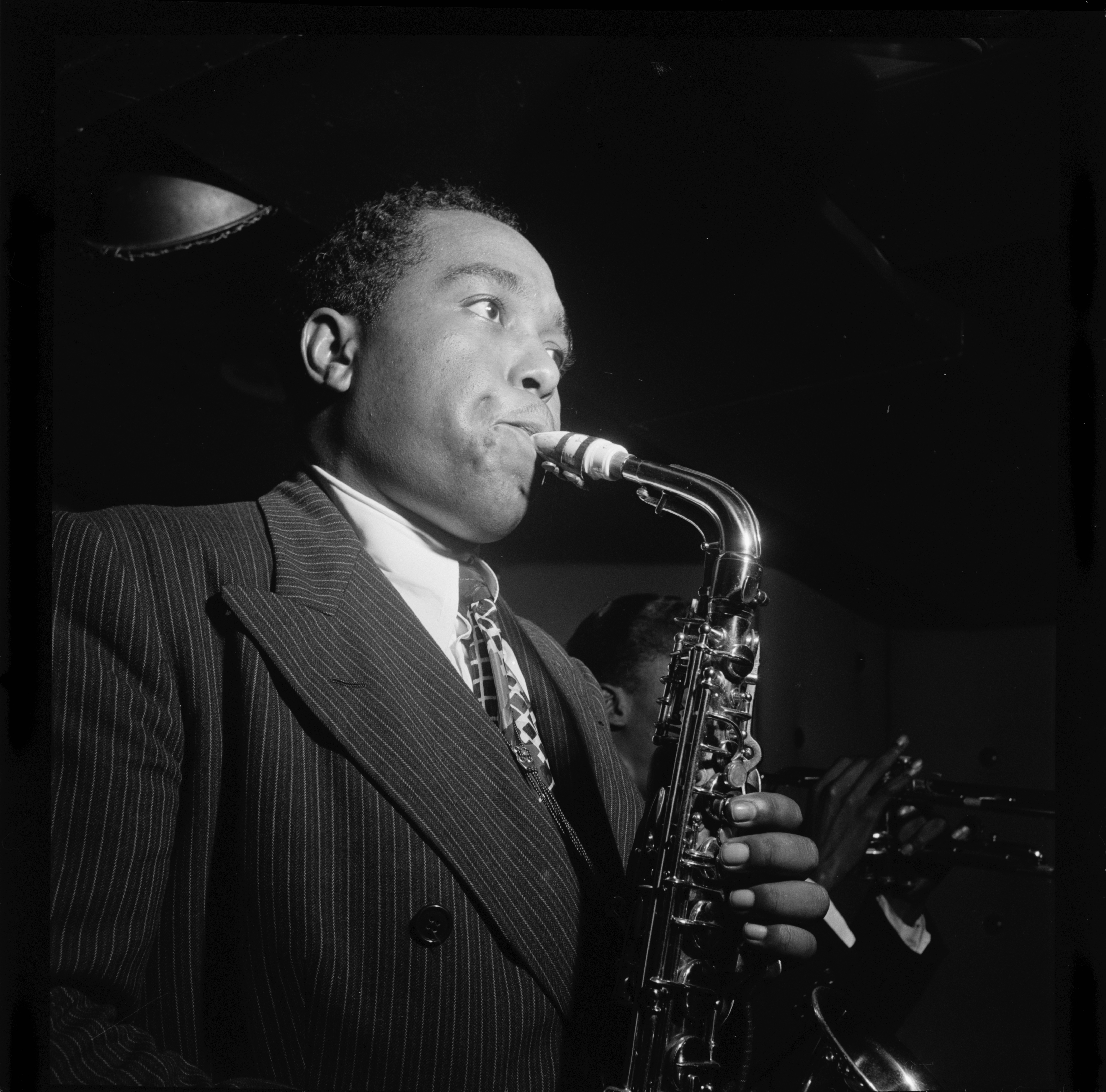
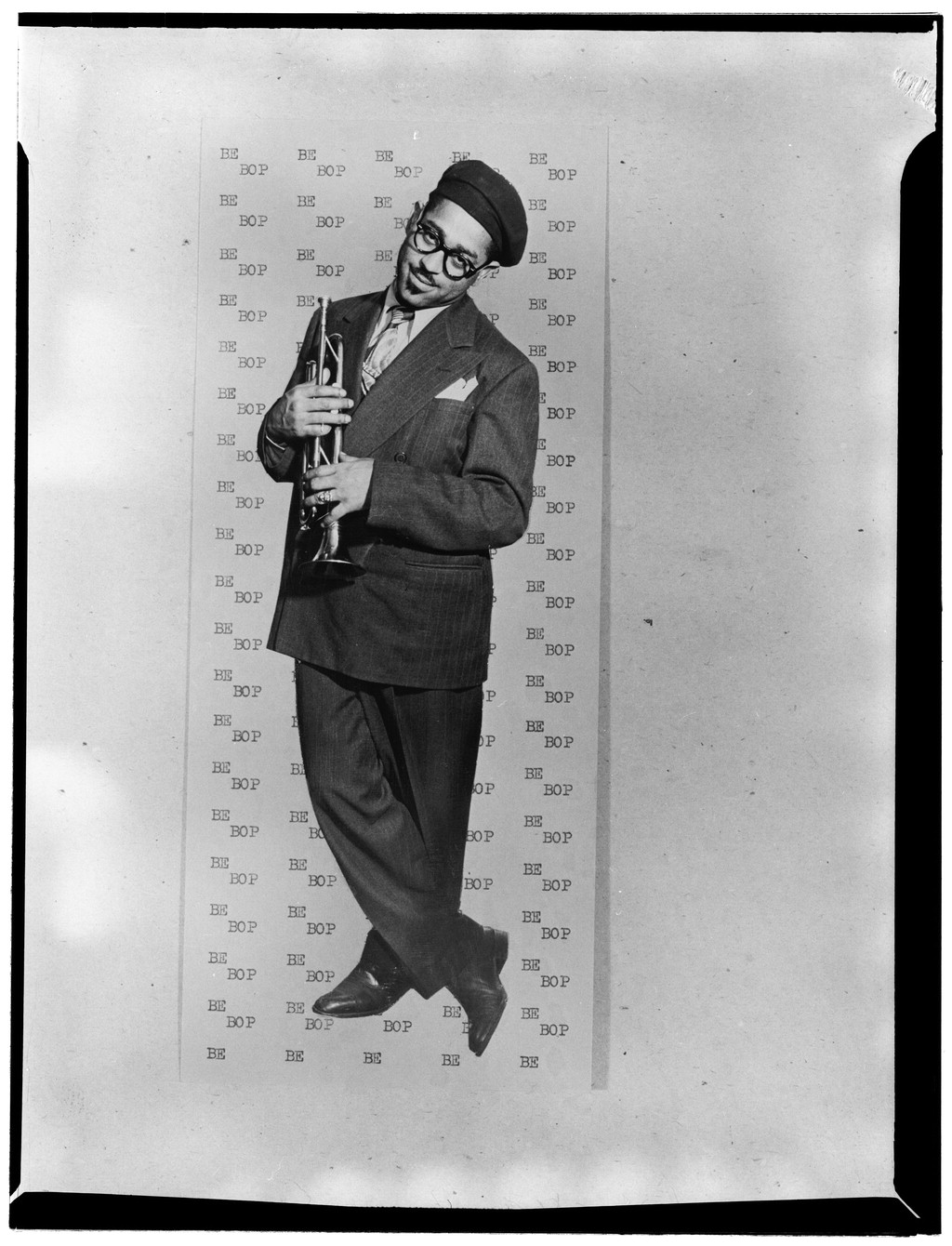
Key Figures
Listen
- "Koko" — Charlie Parker 1945 · virtuosity built from practice in all 12 keys
- "Shaw 'Nuff" — Gillespie & Parker 1945 · bebop energy, dissonance, tritones
Cool Jazz
Bop language absorbed into a more relaxed idiom: "relaxed pacing, understated expression, softer-edged tone" (Tucker & Jackson 2020).
The Sound
- Bop language absorbed into broader jazz vocabularies (Tucker & Jackson 2020)
- "Relaxed pacing, understated expression, softer-edged tone" (Tucker & Jackson 2020)
- Lighter timbres; restrained vibrato; arranged textures balanced with improvisation
- Classical influences — counterpoint, unusual instrumentation such as French horn and tuba (DeVeaux & Giddins 2015)
- Experiments with asymmetrical meters (Brubeck's Time Out, 1959)
Key Moments
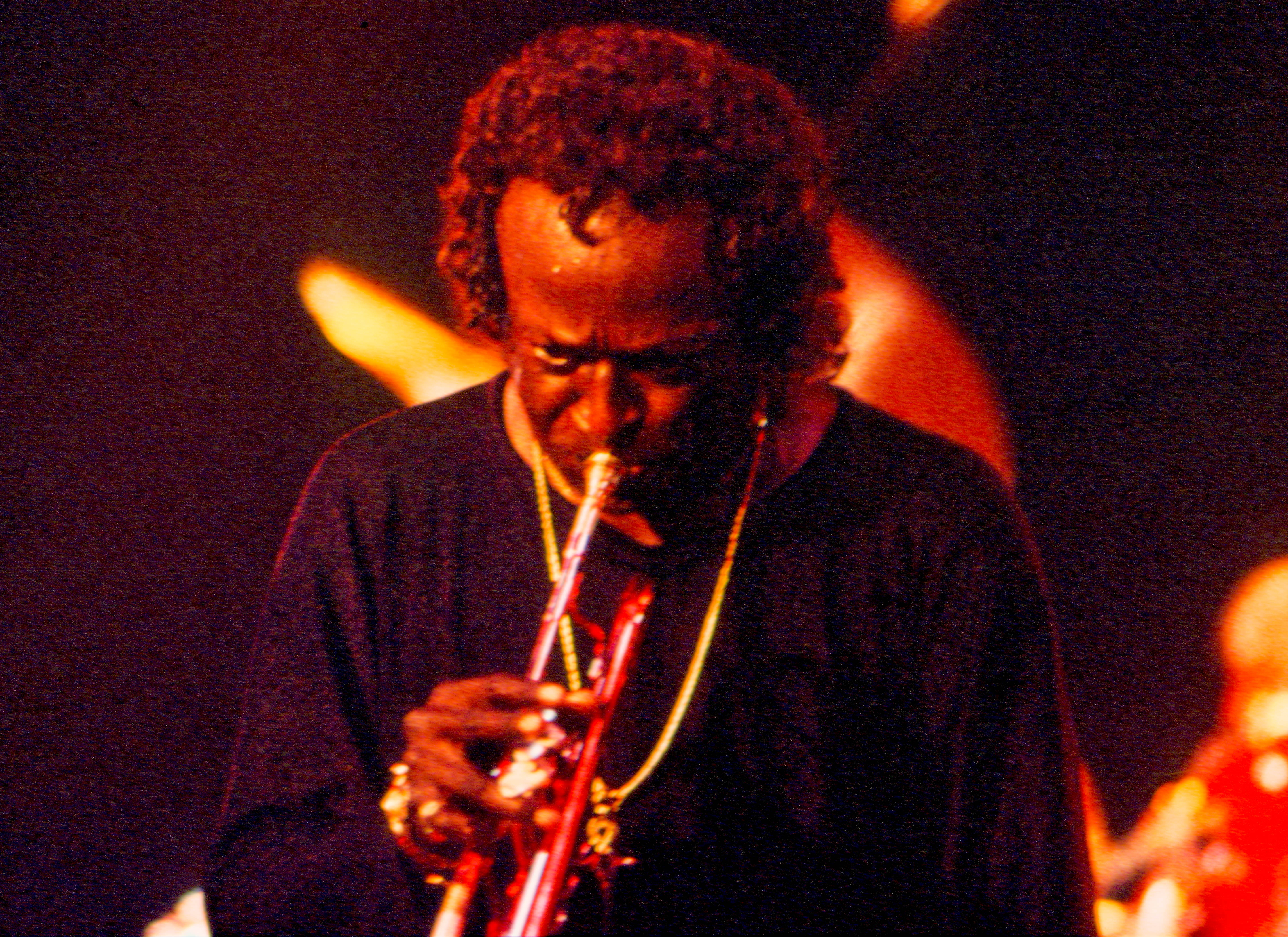
- 1949–50 — Miles Davis nonet records the Birth of the Cool sessions (Gioia 2021)
- Los Angeles and the West Coast scene become cool's center of gravity (Gioia 2021)
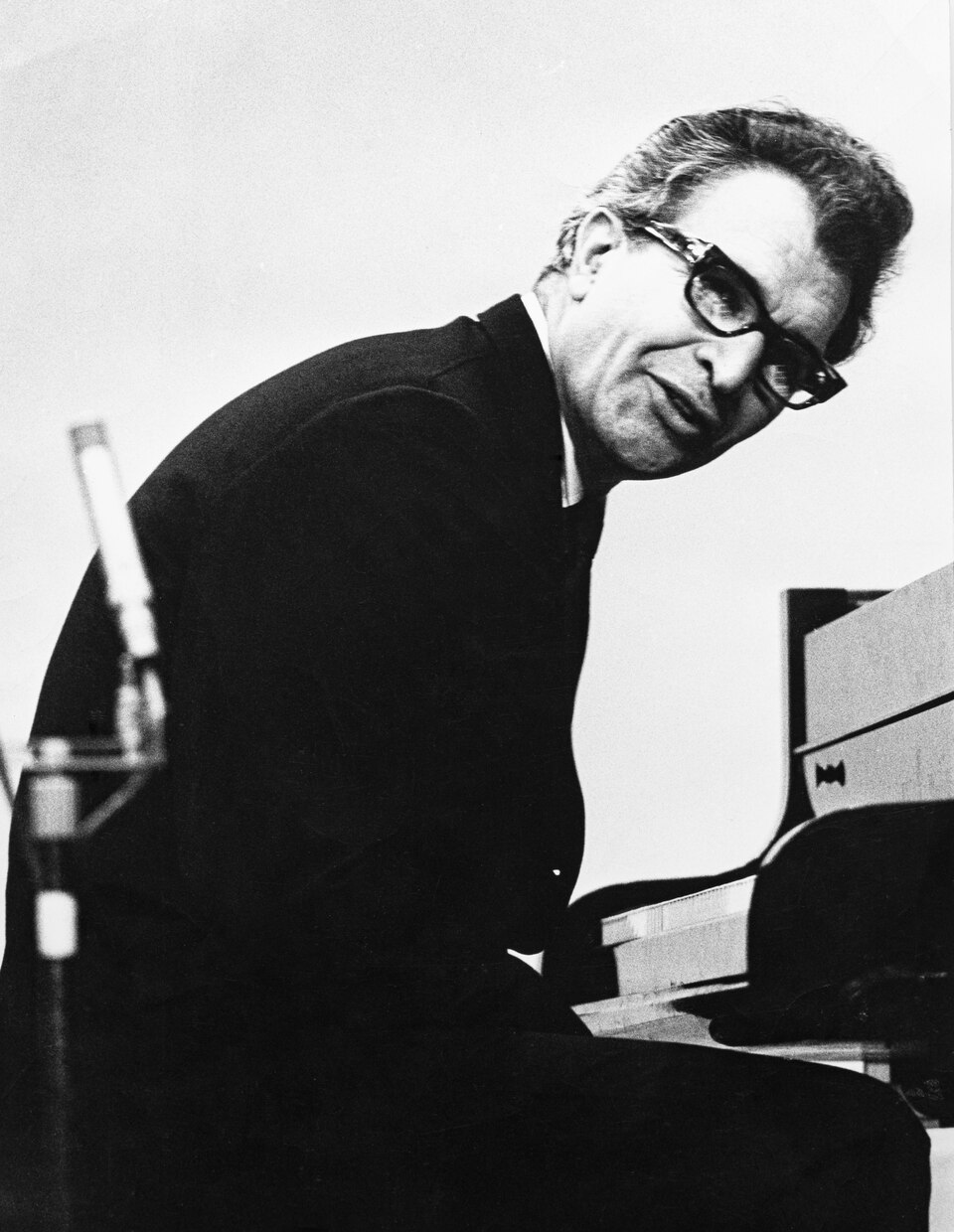
- 1954 — Dave Brubeck on the cover of Time: jazz reaches college and concert audiences (DeVeaux & Giddins 2015)
- 1959 — Brubeck Quartet's Time Out, with "Take Five" in 5/4 meter
Key Figures
- Modern Jazz Quartet — John Lewis; chamber-jazz refinement
- Gerry Mulligan & Chet Baker — piano-less quartet, West Coast
- Gil Evans — arranger, Davis nonet
Listen
- "Take Five" — Dave Brubeck Quartet (comp. Paul Desmond) 1959 · 5/4 meter
- Birth of the Cool — Miles Davis nonet rec. 1949–50
Modal Jazz
Improvisation organized around modes rather than functional chord progressions.

The Sound
- Modes replace functional chord progressions; slow harmonic rhythm
- Static harmony — long stretches over one or two modes
- Extended, exploratory improvisation building on bop's expanded harmonic vocabulary
- Two-mode frameworks (e.g., D Dorian and E♭ Dorian in "Impressions")
Key Moments
- 1959 — Miles Davis records Kind of Blue, the touchstone modal album and among the best-selling jazz records ever made (Gioia 2021)
- "So What" establishes the model two-mode framework
- 1960s — Coltrane's classic quartet (McCoy Tyner, Jimmy Garrison, Elvin Jones) extends the modal approach
- 1965 — A Love Supreme: the spiritual culmination of Coltrane's modal period (DeVeaux & Giddins 2015)
Key Figures
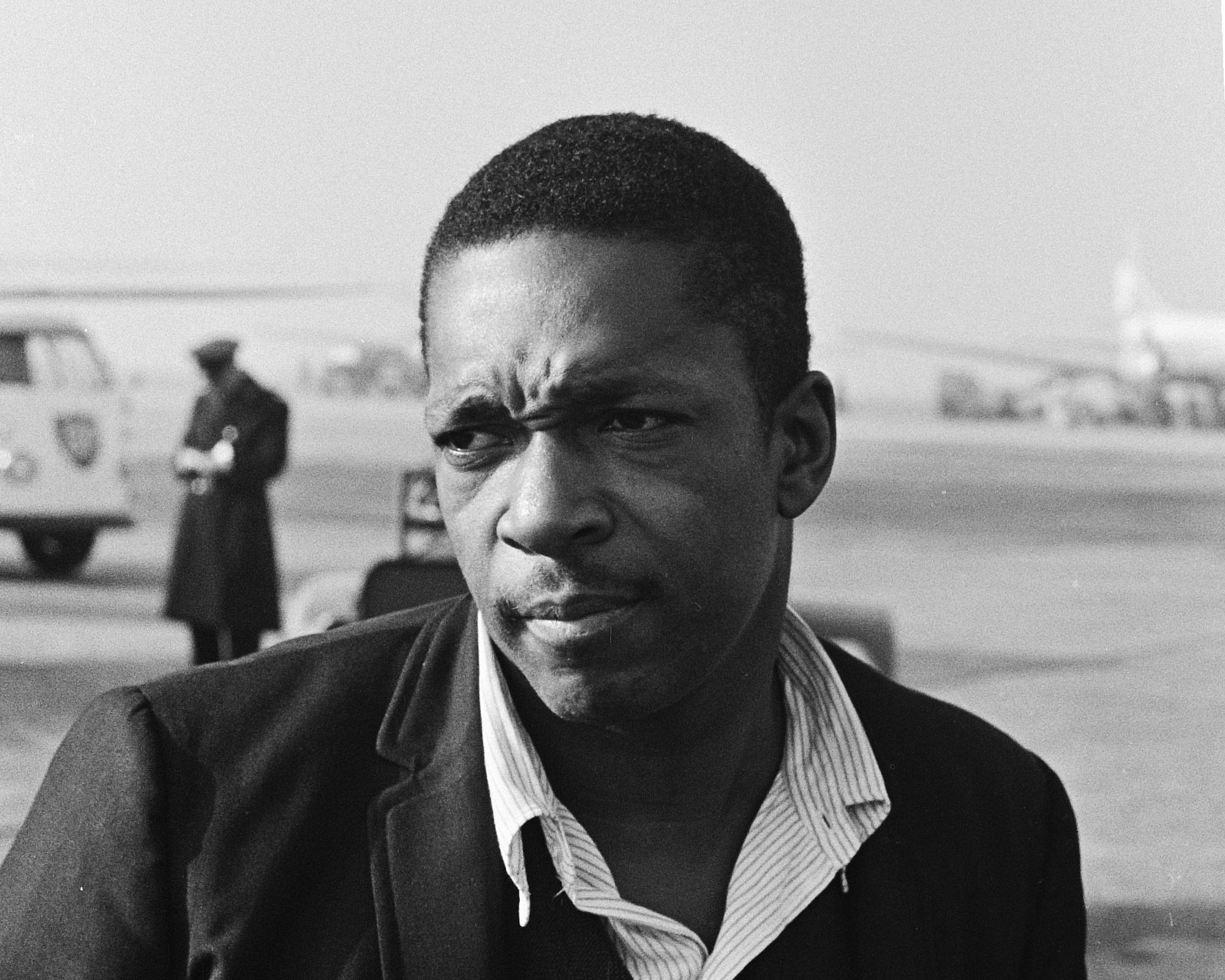
- Coltrane — "sheets of sound" approach; spiritual seeker; among the most influential jazz musicians
- Bill Evans piano, Kind of Blue · McCoy Tyner piano, Coltrane quartet
Listen
- "So What" — Miles Davis, Kind of Blue 1959
- "Impressions" — John Coltrane 1961–63 · same modal framework as "So What"
- A Love Supreme — John Coltrane 1965
Post-Bop
Structural experimentation within the small-group tradition, exemplified by the Miles Davis Quintet.

The Sound
- Harmonic and formal experimentation beyond bop and modal conventions, without abandoning tonality or swing (Kernfeld 2002)
- "Time, no changes" — steady pulse with freely shifting harmony (DeVeaux & Giddins 2015)
- Rhythm section as an equal, interactive voice rather than accompaniment
- Original compositions replace popular-song standards
Key Moments
- 1964–68 — Miles Davis's Second Great Quintet records E.S.P. through Nefertiti (Gioia 2021)
- Parallel currents frame the decade: hard bop (Art Blakey's Jazz Messengers) and free jazz (Ornette Coleman, The Shape of Jazz to Come, 1959)
- 1970 — Davis's Bitches Brew opens the fusion era, where this timeline ends
Key Figures
- Miles Davis — repeatedly reinvented his style: cool, hard bop, modal, fusion
- Wayne Shorter tenor sax, principal composer · Herbie Hancock piano · Ron Carter bass · Tony Williams drums
Listen
- "Nefertiti" — Miles Davis (comp. Wayne Shorter) rec. 1967, rel. 1968 · horns repeat the 16-bar melody while the rhythm section develops beneath