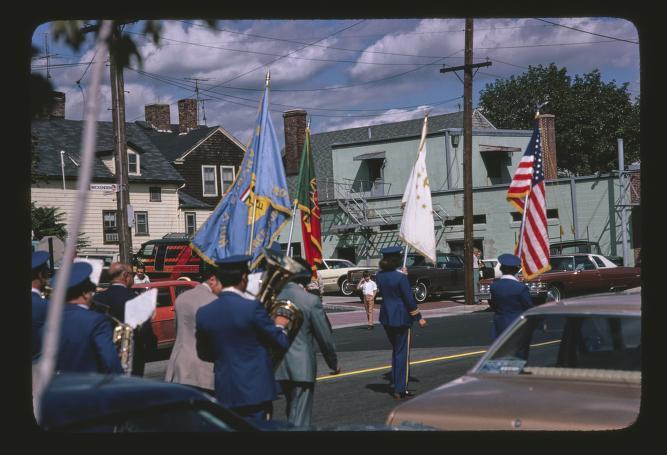
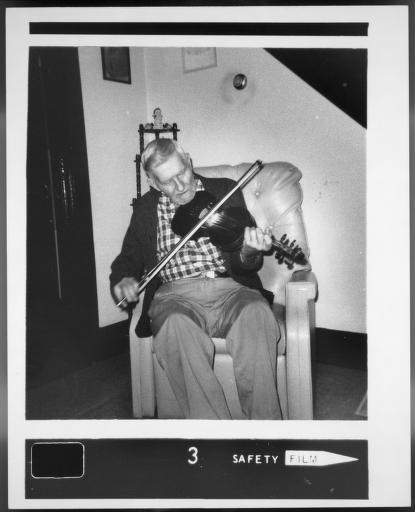
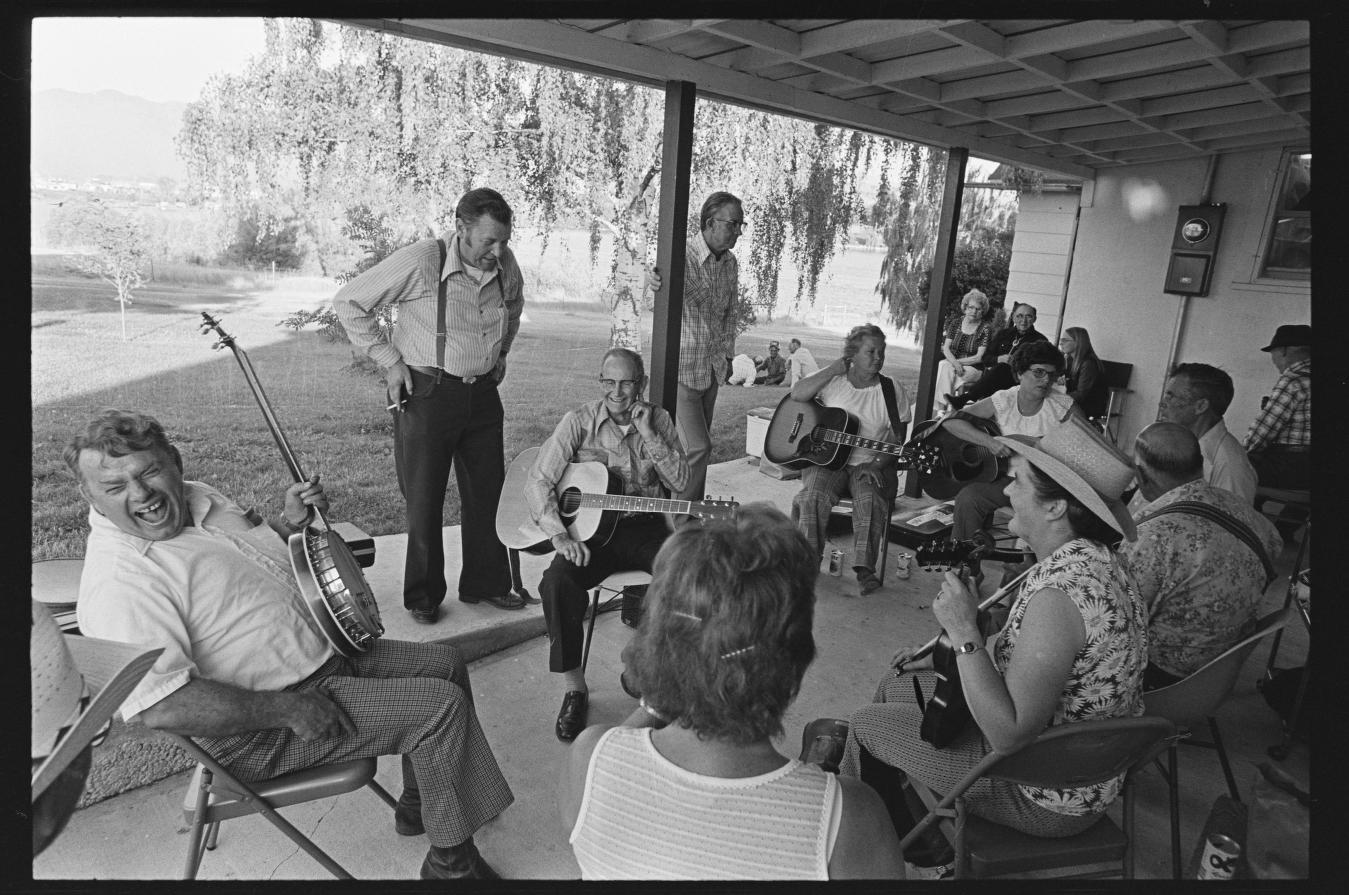
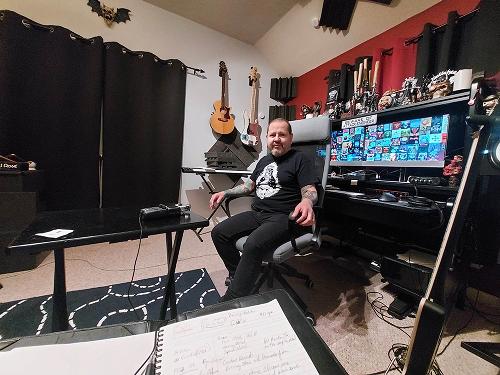
Over six sessions in Weeks 13–15, you will work directly with ten archival collections from the Library of Congress / American Folklife Center. We will listen to field recordings, read fieldnotes and correspondence, and examine photographs spanning more than eighty years of documentary practice around the United States. We'll look at WPA-funded work from the 1930s and '40s; urban diasporic music-making in the 1970s; and a community-collected oral history project from 2022. Our goal is to develop research methods and skills, such as handling primary sources, engaging scholarship, examining power dynamics in data collection and analysis, and developing scholarly arguments.
Sessions
Session 01
What is an archive?
Week 13 · Monday
We'll browse the collections and consider how archives are assembled. Think about how to handle primary sources and metadata.
Session 02
Secondary Sources
Week 13 · Wednesday
What is the point of academic scholarship? How does it differ from a primary source? How do you read an article and identify its argument?
Session 03
Close Listening and Transcription
Week 13 · Friday
Share and compare transcription attempts. Discuss the benefits and drawbacks of different kinds of transcriptions. How do transcriptions document and communicate musical knowledge? What can we learn from audio recordings as primary sources?
Session 04
Reading Non-Musical Documents
Week 14 · Monday
Fieldnotes, correspondence, and proposals as primary sources. What can we learn from them?
Session 05
Power, Knowledge, Archives
Week 14 · Wednesday
The politics of representation, and the power dynamics of collection and analysis. We'll take a closer look at the Florida archives, and then compare it to Houston 2022.
Session 06
Synthesis and Reflection
Week 15
Class discussion and final reflection. How would you carry out an archival project? Discussion board post assigned.
Archive Explorer
Content Warning
Please note that these archives come from different moments in history. Some of them may include offensive or provocative material, and should be handled carefully.
Browse the Archives →
Access all ten Library of Congress collections — audio recordings, photographs, fieldnotes, correspondence, and more. Use this tool during each session to find and explore primary source materials. I'm including here a selection of items from each archive, but you can explore and find more.