Required Text
American Popular Music, Starr & Waterman, 6th ed. Additional readings are provided throughout the term.
MUH-3633 · Fall 2026 · Stereo
A historical and critical study of music-making in the United States — from spirituals and blues to jazz, country, rock ’n’ roll, and hip-hop.
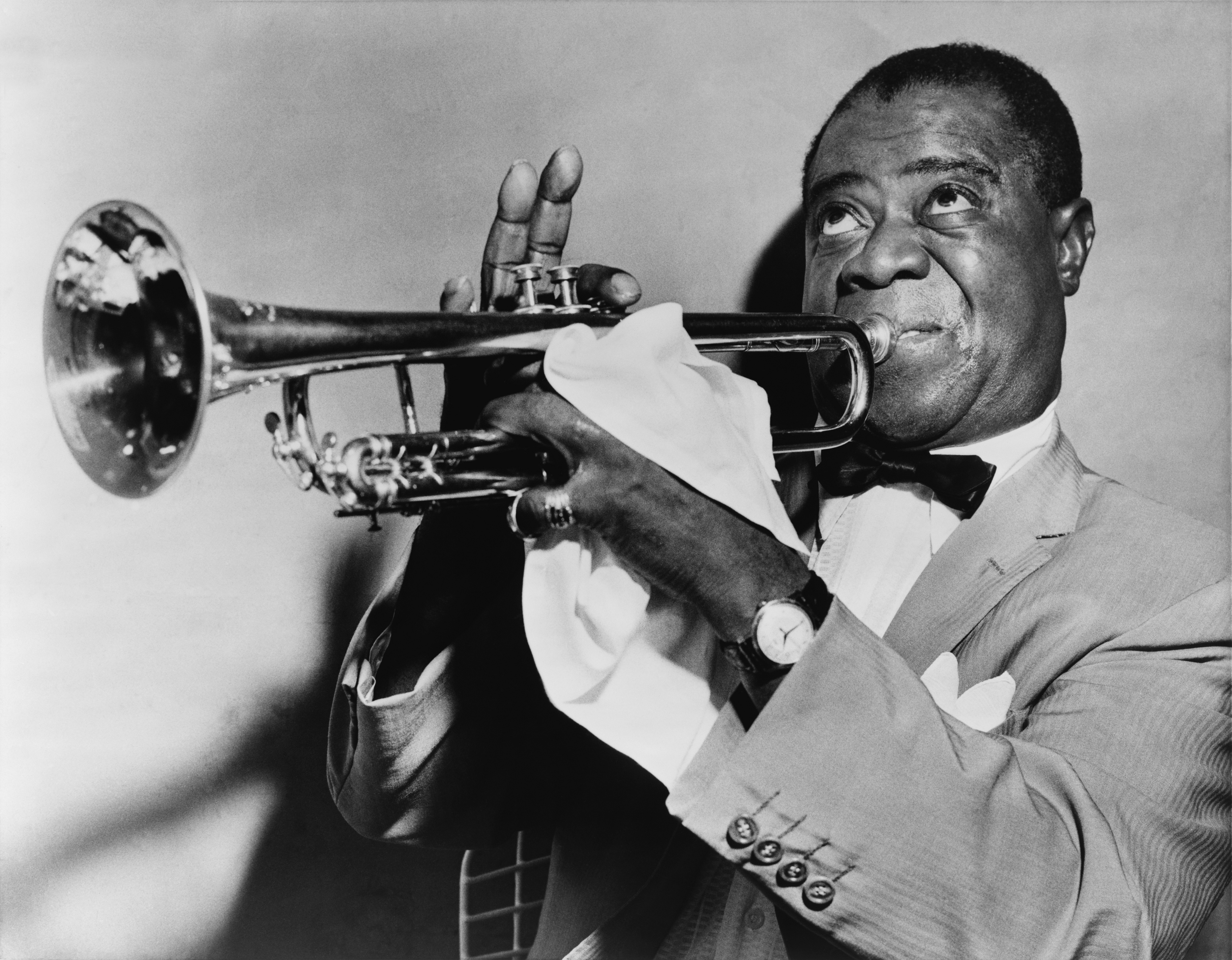
Introduces course frameworks and develops vocabulary for close listening and historical interpretation. Topics include spirituals, blues, ballads, standards, and critical approaches to popular music.
Examines the historical development of jazz and country music, with attention to recording, migration, race, region, commercial categories, and stylistic change.
Traces major changes in popular music from rock ’n’ roll through early hip-hop, including production, media, performance, genre, and debates about authenticity.
Applies course methods to archival recordings and documentation. Students consider metadata, historical context, institutional description, and the interpretation of recorded sound.
Week pages are posted here as the term progresses. For weeks 3 onward, check WebCourses for readings, slides, and assignment details.
American Popular Music, Starr & Waterman, 6th ed. Additional readings are provided throughout the term.
Students must bring a laptop, tablet, or smartphone with internet access to every class meeting. In-class assignments are completed during class and submitted through WebCourses, or at times in hard copy.
Extensions and make-up work require an excused absence or other documented circumstances. Contact the instructor as early as possible.
Unless an assignment states otherwise, AI tools may support brainstorming and basic copyediting, but submitted work must reflect your own analysis and writing.
Consult the syllabus in WebCourses for complete policies, procedures, and university-required statements.